Source Foldable Portable Baby Stroller for Travel, Daily Use, and Storage
Explore 30 listings for the foldable portable baby stroller, comparing key specifications such as weight, dimensions, and load capacity. Evaluate options from various Chinese manufacturers to find the right fit for your sourcing needs; compare the available evidence and request quotations based on your requirements.
Key considerations
Products List




Comprehensive Sourcing Guide
Foldable Portable Baby Stroller Sourcing Guide
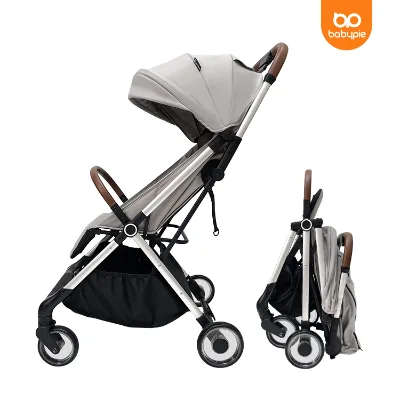
Sourcing a foldable portable baby stroller requires careful evaluation of the product's structural integrity and compactness, as these features define its utility for modern families. The observed market data indicates a wide range of customization options and packing configurations, suggesting that buyers must prioritize specific dimensions and weight limits to match their logistical needs. While some listings highlight specific model numbers like XE011 or LS5168, the actual performance depends on verifying the load-bearing capacity and material composition against your intended usage scenarios.
Buyers should also scrutinize the packaging details, as the carton size and gross weight directly impact shipping costs and storage efficiency. The data shows varying packing standards, from single-piece units to bulk packs of six, which influences the unit cost and handling requirements. Understanding these logistical variables is essential before committing to an order, as the physical attributes of the stroller, such as the 25kg load bearing or specific color options, must align with the target demographic and the retailer's shelf space constraints.
Product Scope and Observed Listing Signals
The current market for foldable portable baby strollers presents a diverse array of models with distinct specifications, ranging from lightweight travel systems to robust daily-use units. Observed listings reveal specific model identifiers such as Y1502 and MALUO K6 8, each associated with unique material standards like nylon or nylon plus aluminum. These variations suggest that buyers must clearly define whether they require a stroller for infants under three years or for older toddlers, as the age restrictions and weight capacities differ significantly across the available inventory.
Listing signals also indicate a broad spectrum of color options and packing densities, which serve as key differentiators for brand positioning. Some products are packaged in yellow corrugated boxes with specific net weights, while others utilize standard cartons with defined cubic meter volumes. This diversity allows buyers to select products that fit specific branding strategies, but it necessitates a rigorous review of the product attributes to ensure the selected model meets the functional requirements of the end-user without compromising on portability or durability.
Technical Specifications to Verify
When evaluating technical specifications, the primary focus must be on the structural dimensions and weight limits that define the stroller's usability. Buyers should verify the exact carton sizes, such as 1054548cm or 4325.555.5cm, to ensure compatibility with their distribution channels and storage facilities. The gross weight of the units, ranging from 6.8kg to 21.2kg, is a critical factor in determining shipping costs and the ease of handling for parents, making it essential to cross-reference these figures with the manufacturer's declared load-bearing capacities.
Material composition and folding mechanisms are equally vital technical aspects that require detailed verification. The observed data mentions materials like nylon and aluminum, which influence the stroller's durability and resistance to wear. Buyers must confirm that the folding mechanism is robust enough to withstand repeated use while maintaining the compact form factor required for portability. Additionally, checking the specific model standards, such as 95X46X61CM or 82X90X44CM, ensures that the product dimensions align with the intended market expectations for space-saving designs.
Compliance and Safety Documentation
Safety compliance is a non-negotiable aspect of sourcing baby strollers, as these products are designed for vulnerable users. The observed listings include references to CE certification, which indicates adherence to specific European safety standards. However, buyers must not assume that all listed models automatically meet every regional requirement; instead, they should request up-to-date test reports and certification documents for each specific model to verify that the product has passed rigorous safety assessments for structural stability and material toxicity.
Beyond certification, documentation regarding age appropriateness and weight limits must be clearly communicated to ensure safe usage. The data indicates that some products are explicitly rated for children under three years, while others support higher load capacities. Buyers should ensure that the supplier provides clear labeling and instruction manuals that detail these limits, as misuse due to unclear guidelines can lead to safety incidents. Verifying that the supplier maintains a robust quality management system is also crucial to guarantee that every unit leaving the factory meets the declared safety standards.
Cost Drivers and Commercial Terms
The cost of sourcing foldable portable baby strollers is heavily influenced by the complexity of the customization and the specific material choices involved. The observed data shows a price range from 3.38 to 72.45 USD, reflecting the variance between basic models and those with advanced features or premium materials. Buyers must analyze the cost drivers, such as the inclusion of aluminum frames or specialized nylon fabrics, to understand the value proposition of each model and ensure that the pricing aligns with the expected quality and durability.
Commercial terms, including minimum order quantities and packaging configurations, play a significant role in the overall procurement strategy. The observed MOQ ranges from 1 to 850 units, offering flexibility for different business scales, but buyers must calculate the total landed cost, including shipping and handling, which is affected by the carton size and gross weight. Understanding the packing density, such as 6 pieces per carton or specific cubic meter volumes, is essential for optimizing logistics and minimizing overhead costs while maintaining a competitive retail price point.
Supplier Qualification and Quality Control
Supplier qualification requires a thorough assessment of their manufacturing capabilities and quality control processes to ensure consistent product delivery. The observed data indicates that products originate from specific regions in China, such as Hebei Province and Guangdong, which may have varying levels of industrial maturity. Buyers should verify the supplier's production capacity and their ability to maintain the specific model standards and customization options observed in the listings, ensuring that the supply chain can scale with demand without compromising quality.
Quality control measures must be rigorous, focusing on the consistency of materials and the precision of assembly. Given the wide range of observed specifications, from different carton sizes to varying weight limits, buyers should implement a pre-shipment inspection protocol to verify that the delivered goods match the agreed-upon samples. This includes checking the structural integrity of the folding mechanism, the durability of the fabric, and the accuracy of the weight and dimension labels to prevent returns and maintain brand reputation.
Long-Term Procurement Checks
Establishing a long-term procurement relationship involves continuous monitoring of product performance and supplier reliability over time. Buyers should track the feedback from end-users regarding the stroller's durability and ease of use, as this data will inform future purchasing decisions and potential design improvements. Regular audits of the supplier's production lines and quality control records are necessary to ensure that the product standards, such as the observed load capacities and material compositions, remain consistent across different production batches.
Additionally, buyers must stay informed about evolving safety regulations and market trends that could impact the product's viability. The observed data includes references to standards like EN 1888, which suggests that regulatory landscapes are dynamic and require ongoing attention. By maintaining open communication with suppliers and staying proactive about compliance updates, buyers can mitigate risks and ensure that their portfolio of foldable portable baby strollers remains competitive and safe for the long term.
FAQs
Can I request customization for these strollers?
Yes, customization is available for these foldable portable baby strollers. Buyers can request specific modifications to meet their unique requirements. This option allows for tailored solutions while maintaining the core functionality and safety standards observed in the product listings.
What are the standard packaging dimensions for these units?
The standard packaging dimensions vary by model, with sizes like 105 by 45 by 48 cm or 80 by 58 by 51 cm. Each carton typically contains multiple units, such as six pieces, ensuring efficient shipping. The packing details are clearly specified to help buyers plan logistics effectively.
Which certifications do these strollers hold for safety?
These strollers hold CE certification, ensuring they meet specific safety and quality standards for the European market. This certification is a key indicator of compliance and reliability. Buyers should verify specific model certifications before finalizing orders to ensure they meet local regulatory requirements.
How much weight can these strollers typically support?
The load bearing capacity varies by model, with some supporting up to 25 kg or 40 kg. This capacity ensures safety for children within the specified age range. Buyers should check the specific model specifications to confirm the exact load bearing limit before making a purchase decision.
What is the origin location for these products?
The products originate from China, specifically from regions like Hebei Province and Guangdong. This location information helps buyers understand the supply chain and potential shipping logistics. Knowing the origin is essential for calculating duties and estimating delivery times accurately.
Can I find strollers with specific color options?
Yes, these strollers are available in various colors including green, brown, black, coffee, red, blue, and gray. The color options allow buyers to select designs that match their brand or customer preferences. Specific color availability depends on the model and current stock levels.
What is the minimum order quantity for these items?
The minimum order quantity ranges from one to 850 units depending on the supplier and model. This flexibility allows buyers to start with small orders or place bulk purchases. Buyers should confirm the specific MOQ with the supplier to ensure it aligns with their inventory needs.